
For Florida homeowners, upgrading to hurricane-impact windows and doors is one of the most effective investments you can make. Beyond eliminating the grueling seasonal chore of putting up storm shutters, impact-resistant glass protects your home from wind-borne debris, lowers monthly cooling bills, and triggers major insurance discounts.
Whether you are building new or retrofitting an older home in Jacksonville, Orlando, Tampa, or South Florida, this guide breaks down real installation expenses, building codes, and return on investment.
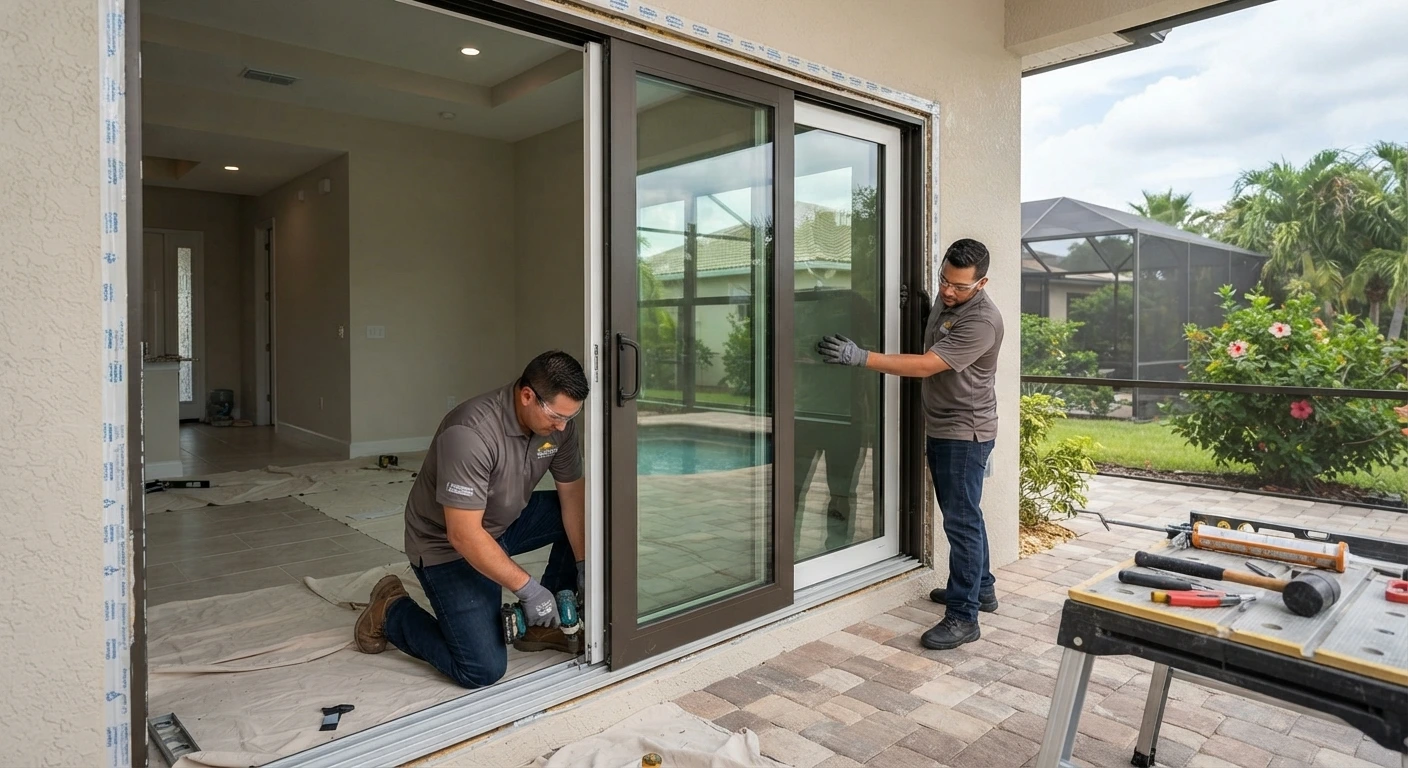
Average Cost of Impact Windows and Doors in Florida
In Florida, impact windows generally cost between $55 and $125 per square foot installed, depending on the frame material (aluminum vs. vinyl), glass package, and local labor rates. For a whole-home upgrade, most homeowners invest anywhere from $12,000 to $35,000.
Cost Breakdown by Window and Door Type
| Product Type | Typical Application | Installed Cost Range |
|---|---|---|
| Picture / Fixed Window | View walls, stairwells (no ventilation) | $350 – $900 |
| Single-Hung Window | Bedrooms, standard openings | $400 – $1,400 |
| Casement Window | Maximum ventilation, tight seals | $550 – $1,400 |
| Sliding Glass Door | Patio, lanai, and pool access | $1,800 – $4,500 |
| Double French Doors | Formal entryways, wide openings | $2,000 – $5,000+ |
Whole-Home Project Estimates
Projects scale with the size and number of openings. A partial upgrade (5–8 bedroom openings) typically runs $3,500 to $10,000, while a large 3,000+ sq. ft. estate with 30+ openings can range from $25,000 to $55,000+.
Regional Florida Factors: Building Codes & Certifications
Not all impact products are rated equally across the state. Your location dictates strict compliance requirements governed by the Florida Building Code (FBC):
- High Velocity Hurricane Zones (HVHZ): Miami-Dade and Broward counties enforce the most stringent standards in the nation. Every product must hold a Miami-Dade Notice of Acceptance (NOA), driving material costs up by 10% to 20% compared to non-HVHZ regions.
- Wind-Borne Debris Regions: Counties like Palm Beach, Duval, Pinellas, and Hillsborough require products certified under the Florida Product Approval system to withstand high wind speeds and pressure cycling.
- Salt-Air Corrosion: Coastal properties must utilize heavy-duty architectural aluminum frames with marine-grade powder coating or premium vinyl to prevent pitting and hardware corrosion caused by high coastal humidity and sea salt.
Insurance Savings and Wind Mitigation Credits
Installing impact windows and glass doors completely seals your building envelope. When certified by a licensed inspector via an OIR-B1-1802 Wind Mitigation Form, insurers are required to apply major discounts.
- Opening Protection Credit: Securing all windows and glass doors with impact-rated protection moves your home into the highest insurance tier, frequently reducing windstorm premium portions by 20% to 45%.
- My Safe Florida Home Program: Qualifying homeowners can tap into state-backed grant programs matching up to $10,000 for approved wind-mitigation retrofits, including impact windows and exterior doors.
Frequently Asked Questions
Are permits required to replace windows in Florida?
Yes. Every municipality and county in Florida requires a building permit and engineering plan review prior to installation. Reputable local contractors handle permitting, product approvals, and final municipal inspections as part of their turnkey quote.
Do impact windows eliminate the need for Low-E energy savings?
Most impact glass comes standard with Low-E (low-emissivity) coatings and laminated interlayers that block up to 99% of UV rays. This significantly cuts solar heat gain, reducing air conditioning workloads during scorching Florida summers.
Disclaimer: Sunstate Home Costs provides independent home improvement cost data and contractor insights. Pricing varies based on structural header requirements, custom shapes, and regional labor rates. Always verify contractor licensing and local building requirements before signing agreements.
Explore more local insights in our Florida Wind Mitigation Inspection Guide or review standard requirements in our 4-Point Inspection Breakdown .